

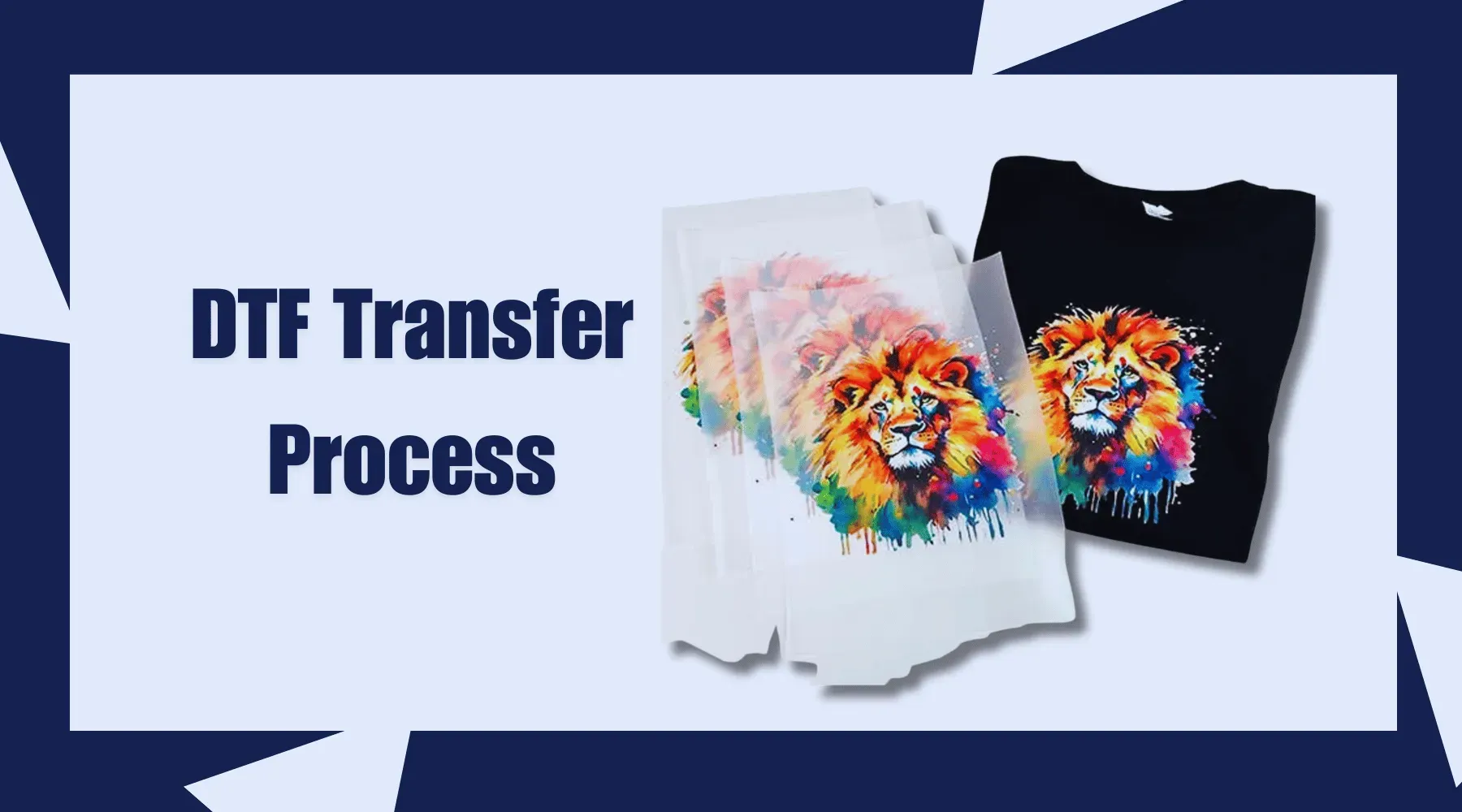
DTF transfer technology, short for Direct-to-Film printing, is a game-changer in the realm of custom apparel printing, transforming how designs are applied to a variety of fabrics. This innovative DTF printing technology allows creators to deploy vibrant designs on both small and large garments, making it incredibly versatile for different textile printing techniques. From t-shirts to hoodies, DTF transfers can bring any design to life with striking colors and impressive durability. Understanding the intricacies of DTF transfers by size is essential for achieving the best results, as proper scaling and placement can greatly enhance the visual impact of the final product. As the demand for personalized and unique fashion solutions grows, mastering DTF transfer technology is becoming an invaluable skill for businesses and hobbyists alike.
The realm of Direct-to-Film application is reshaping custom fabric decoration, bridging the gap between creativity and technology. As a prominent textile printing technique, DTF printing enables users to imprint designs on various materials, providing flexibility unheard of in traditional methods. Whether you’re looking to create mini logos for small children’s apparel or maxi prints for eye-catching designs on larger garments, the need for proper understanding of DTF transfers is critical. This innovative approach not only enhances the vibrancy of the prints but also ensures their durability through optimized application methods. With the continuous evolution of apparel printing, exploring this efficient printing technology opens new avenues for artists and businesses alike.
Exploring the Benefits of DTF Transfer Technology
DTF transfer technology, or Direct-to-Film printing, is rapidly becoming a staple in the textile printing industry. It offers unmatched versatility by enabling designs to be applied to a wide range of fabrics, including cotton, polyester, and blends. This methodology eliminates many limitations associated with traditional printing methods like DTG, giving printers the ability to serve a diverse clientele with various fabric needs. As a result, creative entrepreneurs can expand their product ranges beyond basic cotton tees to include items like sportswear, accessories, and home textiles.
Additionally, the durability of DTF transfers sets it apart from other textile printing techniques. The process involves a thorough application of adhesive powder after printing, which is then heat-activated to bond the design firmly to the fabric. This results in prints that withstand the rigors of frequent washing and wearing, making them perfect for custom apparel that will be used long-term. With such attributes, DTF printing technology not only increases the quality of the final product but also enhances customer satisfaction, leading to repeat business.
Understanding DTF Transfers by Size
When dealing with DTF transfers, one must consider the importance of size. Different applications require varying dimensions of transfer films, and understanding how to effectively apply these across mini to maxi sizes is crucial. For instance, a small design suited for a child’s t-shirt may not scale as effectively onto an adult size hoodie without proper adjustments. Designers need to be adept at resizing graphics while maintaining their visual integrity and ensuring that color vibrancy remains consistent throughout the scaling process.
Moreover, proper placement of DTF transfers is essential when working with different garment sizes. Larger garments provide more canvas for expansive designs, and if not positioned correctly, a design may look misplaced or unbalanced. Familiarizing oneself with the body’s proportions and the fabric’s structure significantly enhances aesthetic appeal. By carefully evaluating how sizes affect design placement, printmakers can create visually striking apparel tailored to enhance the garment’s overall look.
Custom Apparel Printing and Market Demand
The demand for custom apparel is on the rise, fueled by consumers’ desire for personalized fashion solutions. DTF transfer technology allows small businesses to capitalize on this trend by efficiently producing unique, bespoke items that cater to individual tastes. As the market for custom items expands, print shops equipped with DTF technology can quickly adapt designs to meet varying customer requests, whether it’s a single printed shirt or a bulk order. This flexibility positions them competitively in a saturated marketplace.
The emergence of platforms that promote custom apparel further amplifies this trend. Entrepreneurs can leverage e-commerce strategies such as print-on-demand services to reach broader audiences without investing heavily in inventory. DTF printing empowers creators to react swiftly to market changes, creating designs that resonate deeply with consumers who value uniqueness. As print-on-demand businesses continue to grow, the adoption of DTF technologies may very well define the future of custom apparel printing.
Key Design Considerations in DTF Printing
Design considerations are paramount when leveraging DTF technology, particularly concerning the art of graphic scaling. A successful design must maintain its quality whether it is being printed as a mini artwork on a children’s shirt or transformed into a maxi print on a canvas tote. This requires a keen understanding of visual balance and detail refinement. Creating mock-ups for both small and large formats can help designers visualize the nuances of each size and make necessary adjustments for optimal aesthetics.
Additionally, understanding the placement dynamics specific to larger garments can enhance the final product. Often, larger clothing items, like sweatshirts or jackets, allow for more creative freedom with design placement. Knowing how and where to place transfers can elevate the garment’s style while ensuring that the entire design is easily visible. Every element, from color selection to font choices, must be deliberate to create a cohesive look that appeals to the target audience.
Best Practices for DTF Transfer Application
To achieve high-quality results with DTF technology, best practices during the application process should be followed meticulously. One fundamental tip is to experiment with different temperature and pressure settings specific to the fabric being used. Slight variations can lead to vastly different outcomes, so printer settings must be adjusted accordingly. Testing on scrap fabric before proceeding to main garments can prevent costly mistakes and enhance skillsets related to application perfection.
Equally important is the selection of materials. Investing in high-quality transfer films and inks can dramatically influence the final look of the printed application. Choosing subpar materials might result in poor adhesion or fading, affecting both durability and appearance. Therefore, it is crucial to partner with reputable suppliers to ensure only the best products are used, thereby enhancing the overall quality of DTF prints.
Community Engagement and Continuous Learning in DTF Printing
As the DTF printing industry grows, engaging with fellow printmakers becomes vital for innovation and improvement. Online communities and forums provide invaluable opportunities for sharing tips, troubleshooting common issues, and discussing advancements in DTF technology. By actively participating in these networks, users can learn from others’ experiences and gain insights that may not be readily available in traditional educational platforms.
Moreover, continuous learning through workshops or webinars on DTF printing enhances practical knowledge and helps keep practitioners updated with the latest trends and techniques. These educational avenues not only refine technical skills but also foster creativity. In an industry that thrives on innovation, harnessing collective knowledge through community involvement can lead to fresh ideas and improved practices that enhance the overall quality of DTF transfers.
Frequently Asked Questions
What is DTF transfer technology and how does it work?
DTF transfer technology, or Direct-to-Film printing, involves printing designs onto a specialized film that is then transferred to fabric using heat. This method allows for vibrant and durable prints on various materials, making it an excellent choice for custom apparel.
Can DTF printing be used on all types of fabrics?
Yes, DTF printing technology is versatile and can be used on a wide range of fabrics, including cotton, polyester, and blends. This flexibility allows businesses to cater to different customer needs in custom apparel printing.
What are the size considerations for DTF transfers?
When using DTF transfers by size, it’s essential to adjust graphic scaling and design placement according to the garment size. Smaller designs might need alterations when scaled up to ensure clarity, while larger designs allow for expansive graphics.
How can I optimize my DTF printing for large designs?
For larger DTF transfers, it’s crucial to ensure proper temperature and pressure during application to achieve uniform adhesion. Additionally, aligning your printed film with the actual garment dimensions can prevent discrepancies.
What advantages does DTF transfer offer over traditional printing methods?
DTF transfer technology offers several advantages, including the ability to print on various materials, more durable prints, and the potential for vibrant colors. It also allows for quicker adaptations to market trends in custom apparel.
How can I improve the quality of my DTF transfers?
To enhance the quality of DTF transfers, invest in high-grade films and inks, experiment with printer settings for temperature and pressure, and engage with online communities to share best practices and gain insights.
| Key Point | Description |
|---|---|
| Understanding DTF Technology | DTF (Direct-to-Film) printing allows for versatility in fabric types compared to traditional DTG printing, making it suitable for various items including t-shirts and bags. |
| Process Overview | The DTF process involves printing on special film, applying an adhesive, and using heat to transfer the design onto fabric. |
| Size Considerations | Proper scaling of designs and placement is crucial for maintaining visual appeal on different garment sizes, from mini to maxi designs. |
| Market Trends | The DTF printing market is booming, driven by the demand for custom apparel, particularly among small businesses. |
| Technology Advances | Innovations in DTF materials have improved print quality and durability, allowing for professional-grade results. |
| Tips for Success | Experiment with printer settings and invest in quality materials to improve the final output of DTF transfers. |
Summary
DTF transfer technology is reshaping the textile printing industry by offering innovative solutions for a diverse range of fabric sizes. By mastering the intricacies of DTF transfers—from understanding the technology behind it to adjusting design elements for various sizes—businesses can effectively meet the rising demand for custom apparel. Optimal application of DTF transfers allows for vibrant, durable prints that cater to both small and large garments, ensuring high-quality results that resonate with consumers seeking personalized fashion options. Engaging in community knowledge sharing and staying updated with market trends further enhances the potential for success in this expanding market.