

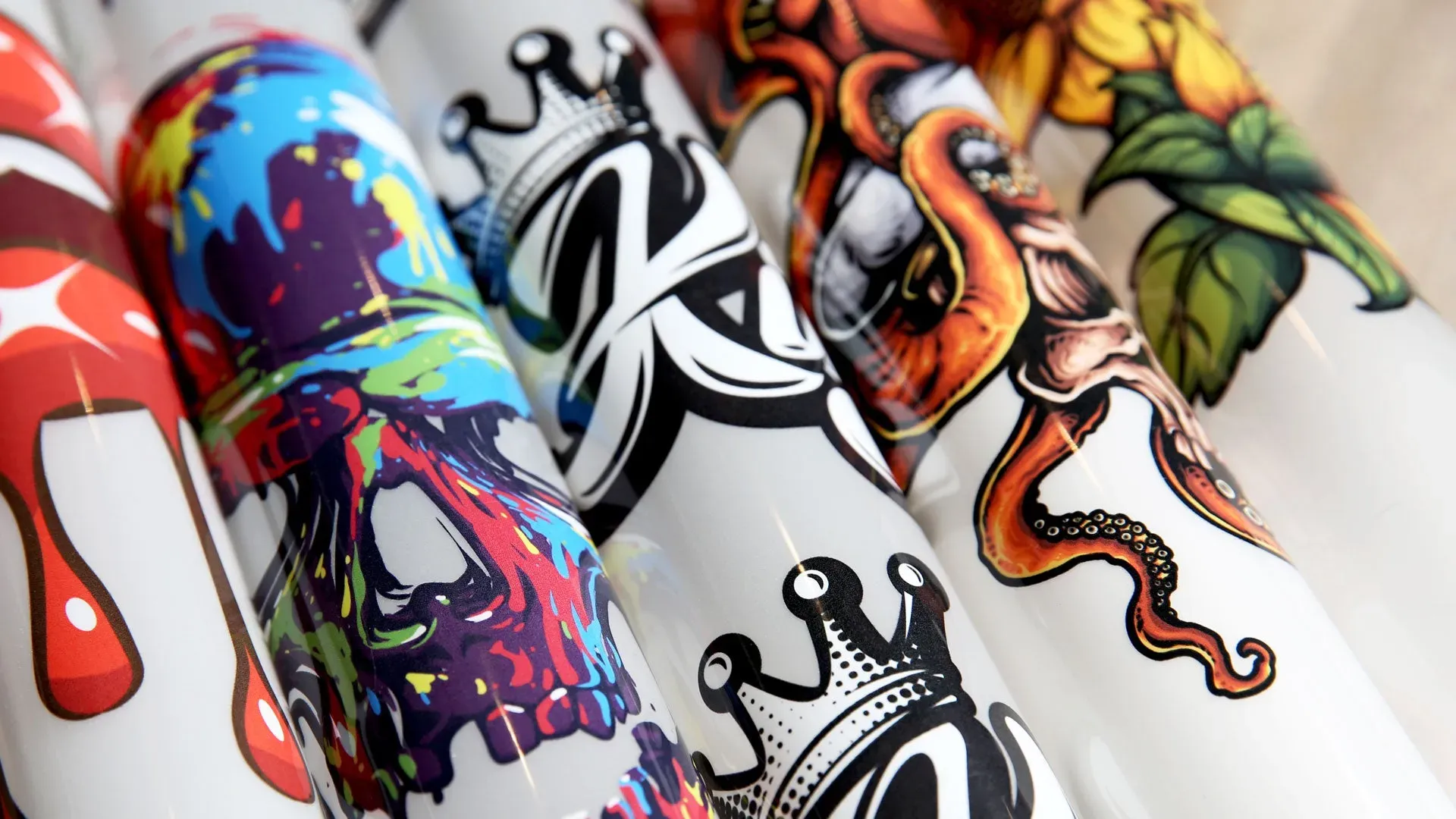
DTF transfer, which stands for Direct-to-Film transfer, is revolutionizing the way custom apparel is produced, offering vibrant designs that captivate attention. This innovative printing method is especially acclaimed for its versatility, allowing for intricate graphics to be applied on various fabric types seamlessly. As the popularity of DTF transfer grows, understanding the best practices for DTF transfer by size is essential for achieving top-quality results that meet artistic visions. This article explores crucial DTF printing tips and techniques that will not only enhance your design’s appeal but also ensure the transfer maintains its integrity regardless of garment size. With the right approach to apparel printing methods, your creations can shine brightly in a competitive market.
The concept of Direct-to-Film transfer is becoming increasingly favored in the realm of textile customization, with numerous apparel decorators opting for this method to elevate their design game. Known for its ability to produce high-quality images on a variety of materials, DTF offers a flexible solution for those looking to create stunning garment prints. In this guide, we will discuss effective DTF transfer techniques and highlight best practices that cater to different design sizes. By examining critical aspects of this printing process, you can enhance your skill set and deliver exceptional results while navigating the evolving landscape of apparel printing strategies. Understanding how to effectively manage DTF transfer by size will empower you to better cater to your clientele’s diverse needs.
Understanding DTF Transfer: An Overview
Direct-to-Film (DTF) transfer is revolutionizing the world of apparel customization by providing a method that allows for high-quality, vibrant designs to be printed on various types of fabrics. This process involves using a specialized film that features the design, which can then be adhered to the fabric using heat. The technology is particularly appealing due to its flexibility, enabling users to print on everything from cotton to polyester blends, making it ideal for diverse apparel printing methods. As the popularity of DTF transfer continues to rise, it’s essential for those in the industry to grasp both the technical aspects and creative possibilities it offers.
What sets DTF transfer apart is its ability to maintain vivid colors and intricate details that can withstand washing and everyday wear. Many apparel decorators choose this method for its ease of use and consistent results. Learning how to effectively execute DTF transfer can elevate the quality of printed garments, leading to increased customer satisfaction and loyalty. Understanding the nuances of this printing technique is the first step toward mastering the art of custom apparel production.
Best Practices for DTF Transfer by Size
When it comes to DTF transfer by size, the most critical factor is ensuring that the design dimensions correspond appropriately with the size of the garment. For instance, recommended design widths for t-shirts typically range from 12 to 15 inches, striking a balance between visibility and aesthetics. If the graphic is too large, it can overwhelm the garment’s design elements and create an unbalanced look. Conversely, for smaller clothing items or children’s apparel, opting for smaller designs helps maintain visual harmony and appeal.
In addition to the initial size considerations for your DTF transfer designs, it’s also important to make adjustments as needed. For example, if you are printing for a variety of sizes, plan to resize your graphics in accordance with each piece’s dimensions. This practice not only enhances the overall appearance but also showcases your professionalism in apparel printing methods. Following these best practices can lead to more refined and marketable garments that reflect your brand’s quality.
Material Compatibility: A Key to Successful DTF Transfers
The selection of materials for DTF transfers plays a pivotal role in the outcome of the printed design. DTF films are typically most compatible with fabric blends, particularly those involving cotton and polyester, known for their excellent adhesion properties. Understanding the specific characteristics of the fabric you are working with, such as thickness and texture, will inform your choice of transfer materials and can impact print quality.
To avoid production issues, always conduct thorough tests on sample materials before proceeding with full runs. Testing ensures that films adhere properly to the chosen fabric and that colors remain vibrant post-wash. This commitment to material compatibility not only streamlines the production process but also enhances the durability and longevity of the prints, establishing your business as a reliable choice for high-quality custom apparel.
Temperature and Pressure Settings: Finding the Right Balance
Achieving optimal results with DTF transfers hinges on the correct temperature and pressure settings during the application process. The common recommendation is to heat press at approximately 320°F (160°C) for a duration of 15-20 seconds, particularly effective for cotton materials. However, be mindful that different fabrics and colors may require specific adjustments to these settings.
It is advisable to conduct initial tests to find the ideal temperature and pressure for the unique combination of your DTF film and fabric type. This proactive approach can prevent poor adhesion problems and ensure that your designs stand the test of time. By mastering the nuances of temperature and pressure settings, you increase the likelihood of creating high-quality, durable DTF transfers that satisfy your client’s expectations.
Incorporating Design Elements: Tips for Clarity and Impact
Incorporating design elements effectively into DTF transfer projects is essential for creating graphics that are both clear and visually striking. For larger designs, it becomes increasingly important to maintain clarity, especially when using intricate details. Utilizing graphic design software optimized for vector graphics can significantly enhance the quality of your prints, allowing designs to remain sharp and defined even when scaled up.
Take care to balance detail with simplicity; overly complex designs may lose impact when printed on larger garments. Implementing techniques such as contrast and color balance can enhance the visibility of key elements in your designs. By focusing on the clarity and use of design elements, you ensure that the final product is not only aesthetically pleasing but also effectively communicates your brand message to the audience.
Layering Techniques: Elevating Your DTF Prints
Layering techniques in DTF transfers can add depth and dimension to your designs, enhancing their overall visual appeal. When working with multi-colored designs, proper layering is critical to ensure that each color is applied sequentially and that they blend seamlessly without compromising the integrity of the image. Ensuring that each layer is thoroughly cured before applying the next one is essential for achieving professional-looking results.
The process of layering also offers the possibility of introducing texture and variety to your designs, which can differentiate your work in a competitive market. Exploring various layering techniques will enrich your design toolkit, allowing you to create unique and eye-catching items that reflect your creative vision. When done correctly, layered DTF transfers can catch the eye of customers and significantly enhance garment sales.
Frequently Asked Questions
What are the best practices for DTF transfer by size?
Best practices for DTF transfer by size include selecting the right design size for the garment, usually between 12 to 15 inches for t-shirts, and adjusting for smaller items like children’s clothing. Additionally, ensure that your transfer films are compatible with the fabric, maintain proper temperature and pressure settings, and utilize graphic design software for clarity.
How do I choose the right size for DTF transfer designs?
Choosing the right size for DTF transfer designs involves understanding the garment type and the desired visual impact. For t-shirts, designs should generally range from 12 to 15 inches wide, while smaller garments may require proportionately smaller designs to maintain aesthetic balance.
What temperature and pressure settings should I use for DTF transfers?
For DTF transfers, a typical temperature setting is around 320°F (160°C) for 15-20 seconds. However, settings may vary based on the fabric type and thickness, so testing on sample materials is essential for achieving optimal adherence and durability.
What are key DTF printing tips for better adhesion?
Key DTF printing tips for better adhesion include pre-pressing garments to remove moisture and wrinkles, conducting test runs before final applications, and training your team on proper DTF transfer techniques to ensure consistency and quality.
What techniques enhance DTF transfer designs?
Techniques that enhance DTF transfer designs include proper layering for multi-colored graphics, using graphic design software to maintain clarity at various sizes, and ensuring each layer is fully adhered before applying the next.
How does fabric choice affect DTF transfer quality?
Fabric choice significantly affects DTF transfer quality. DTF films generally work best on cotton and polyester blends. It’s important to test fabric samples to determine compatibility and adjust heat settings accordingly to ensure durable and vibrant transfers.
| Aspect | Key Points |
|---|---|
| Overview of DTF Transfer | A method for customizing attire using direct-to-film technology, known for vibrant colors and durability. |
| Design Size Considerations | For t-shirts, designs should be 12-15 inches wide to avoid overwhelming the garment. |
| Material Compatibility | DTF films are typically best on cotton and polyester blends. Testing on samples is crucial. |
| Temperature and Pressure Settings | Ideal settings are generally 320°F for 15-20 seconds but should be tested for each unique application. |
| Incorporating Design Elements | Use vector graphics to maintain clarity in larger designs. |
| Layering Techniques | Proper layering enhances design depth; each layer must be fully set before adding another. |
| Tips for Success | Pre-press garments, conduct test runs, provide team training, and perform regular equipment maintenance. |
Summary
DTF transfer is an innovative printing technology that allows for high-quality, vibrant designs on a range of apparel sizes. By understanding the nuances of DTF transfer, such as the importance of designated design sizes, material compatibility, and precise application techniques, users can achieve exceptional results. Mastering these aspects not only ensures longevity and aesthetic appeal of the prints but also streamlines the overall production process. As the market for custom apparel expands, embracing the best practices outlined in this guide can significantly enhance your DTF transfer projects and elevate your work in the fashion industry.