

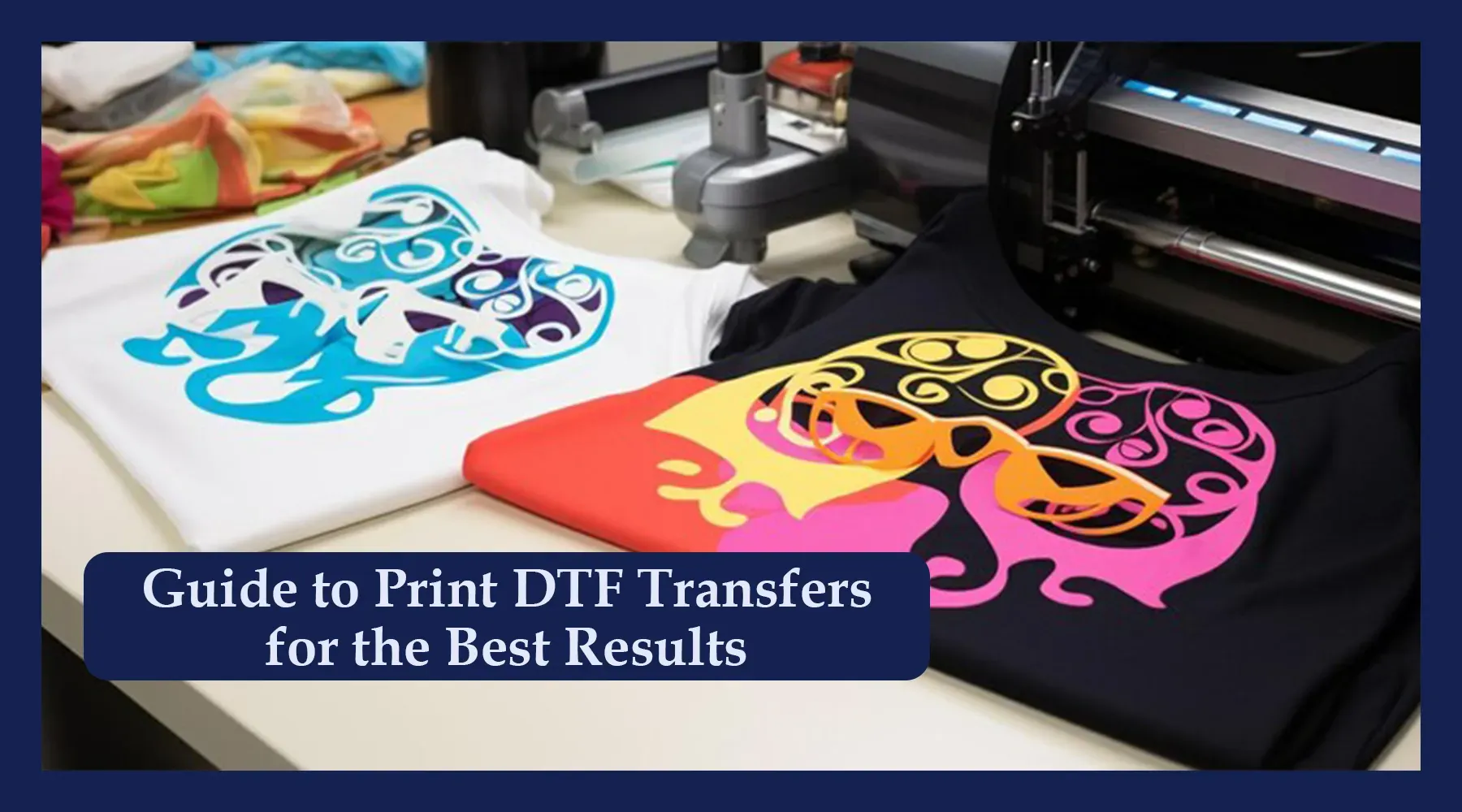
DTF printing has emerged as a compelling option for apparel decorators, bridging gaps between traditional screen printing and newer digital methods. As brands seek faster turnaround, better color fidelity, and easier customization on a wide range of fabrics, Direct-to-Film printing has gained ground. This article explores how DTF printing compares with other methods, why it’s becoming a popular choice, and how to decide if it’s the right fit for your business. From the DTF workflow to practical comparisons like DTF vs DTG and DTF vs screen printing, you’ll see where DTF advantages shine. If you’re evaluating on-demand decoration, this overview helps align capabilities with fabric types, run lengths, and customer expectations.
Beyond the acronym, this film-based pigment transfer process offers a flexible option for decorating apparel. Often described as a pigment-on-film workflow, it involves printing onto a clear transfer sheet, applying adhesive, and bonding the image to fabric with heat. LSI-friendly terms such as direct-to-film transfer, film-to-fabric printing, and digital garment transfer point to the same core capability. This approach supports vibrant color, on-demand customization, and compatibility with a wide range of fabrics, making it a practical alternative to traditional methods.
DTF printing explained: Direct-to-Film as a flexible alternative to DTG and screen printing
Direct-to-Film printing (DTF) has emerged as a versatile option for apparel decorators, offering a flexible path between traditional screen printing and newer digital methods. By printing on a transfer film, applying adhesive powder, curing, and then heat pressing onto fabric, DTF can produce vibrant, multi-color designs with a soft hand. This makes DTF printing a compelling choice for brands seeking easier setup, faster turnarounds, and broad fabric compatibility relative to some other digital options.
In practice, DTF contrasts with DTG and screen printing in several meaningful ways. It can deliver strong color fidelity on dark fabrics thanks to a white underbase strategy, while reducing pretreatment and washout risk often associated with DTG on blends. For large volumes, screen printing may still win on per-unit costs, but DTF shines for smaller runs or highly variable artwork where screens would require extensive color separations and screen changes.
DTF workflow: from film to garment—how the process actually comes together
A typical DTF workflow starts with printing the design on a clear PET transfer film using pigment inks, followed by an adhesive powder coating and a curing step. The film is then pressed onto the garment with a heat press, bonding the design to the fabric through the adhesive layer. This sequence creates a transferable layer that, when properly cured, adheres firmly and can yield durable, bright prints across a range of fabrics.
Efficient DTF workflow requires reliable equipment and careful parameter control: a printer capable of handling white ink, quality transfer films, appropriate powders, and a heat-press setup with calibrated time, temperature, and pressure. A well-tuned DTF workflow also benefits from color profiling, test sheets, and a standardized curing process to ensure consistency across batches and fabrics, reducing misprints and post-press misalignment.
DTF advantages: color fidelity, versatility, and on-demand production
DTF advantages include strong color fidelity and vibrancy on a wide fabric spectrum, thanks to the white underbase capability and the ability to layer multiple colors on film before transfer. The method supports on-demand production and easy customization, since designs can be changed quickly without burning new screens or committing to long setup times.
Beyond color and flexibility, DTF provides practical benefits for modern shops: simpler inventory since the same film process covers many designs, reduced lead times due to fewer upfront steps, and easier adaptation for small-batch runs. These advantages make DTF printing a practical option for brands emphasizing speed, personalization, and varied product offerings while maintaining strong print quality.
DTF vs screen printing: when DTF wins and when it doesn’t
DTF shines in on-demand or small-batch manufacturing, where there are frequent design changes and limited need for expensive screens. Multi-color, detailed artwork can be printed directly on film without the color-separation constraints of screens, and the workflow tends to be faster when orders are varied. DTF is also advantageous for dark fabrics due to the white underbase that helps colors pop.
Screen printing remains the go-to for very large orders with simple, clean designs and high repeatability, especially on light fabrics where setup costs can be amortized over large volumes. The decision often comes down to order size, color count, and fabric type; DTF is generally favored for variability and shorter lead times, while screen printing can be more cost-efficient when volumes justify the upfront investment in screens and color separations.
Choosing the right method for your brand: balancing DTF workflow, DTG, and screen printing options
Selecting the right printing method should align with your business model, customer base, and product mix. If you operate a print-on-demand service with high design variability, DTF printing offers the flexibility, reliable color reproduction, and faster turnarounds to meet expectations. When comparing DTF vs DTG, consider fabric compatibility, pretreatment needs, and the overall production flow to determine which method best fits your operating model.
A practical path is to pilot a DTF workflow on a subset of products while continuing to offer DTG or screen-printed items as appropriate. This approach helps you assess profitability, per-unit costs, turnaround times, and customer satisfaction before making a full commitment. The goal is to map typical order sizes, color counts, and fabric types to the most economical, scalable solution over time while leveraging the strengths of each method.
Frequently Asked Questions
What is Direct-to-Film printing (DTF printing) and how does it work?
Direct-to-Film printing (DTF) prints pigment ink on a clear transfer film, applies an adhesive powder, cures the film, and transfers the design to fabric with a heat press. The result is vibrant, multi-color prints on a wide range of fabrics, with faster setup and flexible customization compared with some traditional methods. A typical DTF workflow uses a dedicated printer, a heat press, transfer film, and powders to create a transferable layer that bonds to the garment.
DTF vs DTG: what are the key differences for apparel decoration?
DTF offers a white underbase on film and works on a wider range of fabrics, including blends and dark garments, while DTG typically requires pretreatment and performs best on high-cotton fabrics. For small runs, DTF often has lower setup costs and quicker turnaround, whereas DTG can be advantageous for some all-cotton designs but may incur higher per-unit costs on dark fabrics.
DTF vs screen printing: when does DTF win for on-demand production?
DTF shines for on-demand or small-batch production, complex multi-color designs, and personalization across a variety of fabrics, especially dark ones. There are no screens to burn and minimal setup changes, enabling faster turnarounds. For very large, simple runs on light fabrics, traditional screen printing may still offer the lowest unit cost.
What are the main DTF advantages for shops and on-demand manufacturing?
DTF advantages include versatility across fabrics, strong color fidelity with a white underbase, suitability for on-demand customization, reduced lead times due to fewer screens and setup, and simpler stock management since a single film process can cover many designs.
What does a typical DTF workflow look like and how can you optimize it?
A typical DTF workflow includes design, printing on a transfer film with pigment inks, applying adhesive powder, curing the film, and transferring the image with a heat press. To optimize, calibrate color profiles, tailor heat press parameters to common fabrics, train staff to handle films consistently, and perform final quality checks on a few test garments before full production.
| Topic | Key Points |
|---|---|
| What is DTF printing? | Direct-to-Film printing uses pigment inks on a transfer film with adhesive powder, then heat-pressed onto fabric to achieve vibrant designs with flexible setup. |
| How DTF works | Print on PET transfer film, apply adhesive powder, cure, then transfer with a heat press to create a transferable layer that bonds with fabric. |
| DTF vs DTG | White underbase on film can yield brighter colors on dark fabrics; DTF is more versatile across blends, with simpler pretreatment; consider unit costs for small vs. large runs. |
| DTF vs Screen Printing | Strong for on-demand or small batches, complex multi-color designs, and personalized artwork; better on dark fabrics and blends; large-volume, simple designs may still favor traditional screen printing. |
| DTF Benefits | Fabric versatility, color fidelity and vibrancy, on-demand customization, reduced lead times, and simpler inventory management. |
| Considerations | Ongoing costs for film and powders, variable print and cure times, and the need for a reliable printer, heat press, and trained staff. |
| Durability & Quality | When properly configured, DTF prints can be durable and colorfast; durability depends on film quality, powder adhesion, heat-press parameters, and proper care. |
| Getting Started | Define fabric mix and typical order sizes; invest in a white-capable printer; select compatible films/powders; calibrate color profiles; optimize heat-press settings; implement simple QC. |
| Workflow & Training | Organize the shop into stages (design, printing, powder/coating, curing, transfer, inspection) and train staff to handle films, press distances, and quality checks. |
| Choosing the Right Method | Assess your business model and product mix; pilot DTF with a subset of products to gauge profitability, turnaround, and customer satisfaction before full adoption. |
Summary
Conclusion: DTF printing has earned a meaningful place in the modern apparel decoration landscape. By combining versatile fabric compatibility, strong color fidelity, and a lean setup suited to on-demand production, Direct-to-Film printing positions itself as a compelling alternative to DTG and screen printing in many scenarios. Whether you’re running a small shop, a mid-sized print facility, or a brand offering personalized apparel, exploring DTF printing as part of your toolkit can unlock new revenue opportunities, shorten lead times, and enable smarter production planning.