

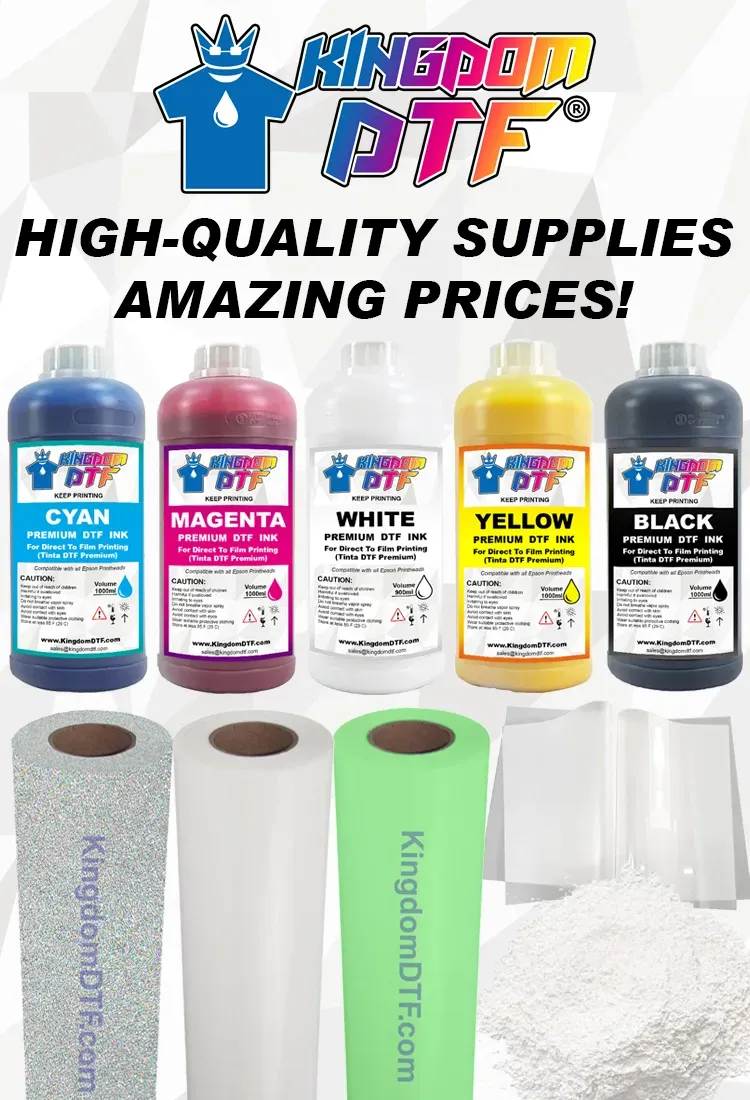
DTF supplies have transformed how designers and brands bring vibrant graphics to apparel and textiles. Direct-to-Film (DTF) printing offers a compelling blend of color richness, flexibility, and cost efficiency, with DTF film types shaping color accuracy and handling. For newcomers, the term DTF supplies can feel confusing, so this guide clarifies what you truly need. Focus on choosing DTF inks and the right settings by understanding how to choose DTF supplies, and consider how this affects your overall DTF printing supplies workflow. By grounding your setup in solid film types, ink options, and a compatible powder system, you can minimize waste and maximize print quality.
In other words, the direct-to-film workflow uses transfer films that carry artwork to textiles, relying on pigment-based inks and an adhesive powder to secure the design. Think of it as a complete ecosystem of transfer film options, ink chemistry, and coating systems that work together to produce bright whites and crisp details. For buyers, selecting the right components comes down to compatibility, performance, and total cost of ownership—topics often summarized under DTF powder explained and how to optimize your printing setup. If you want a quick primer, consider guidance on film varieties, ink compatibility, and the best printing supplies for your specific printer.
Understanding DTF film types: choosing the right film for consistent color and transfer
DTF film types vary in thickness, clarity, surface coating, and moisture resistance. A budget-friendly option is a clear PET film with a uniform surface that accepts pigment inks evenly. When selecting film types, you’re weighing handling, color integrity, and transfer reliability for your fabrics.
Thicker films (around 90–150 microns) resist wrinkling and maintain rigidity during powdering and curing, but may need higher heat or longer dwell times. Transparent films are good for white-back designs on dark fabrics, while white-backed films boost opacity. Consider compatibility with your printer and inks when evaluating DTF film types.
DTF inks explained: color gamut, white ink, and durability on fabrics
DTF inks are typically pigment-based water-based inks designed to bond with powder and endure heat curing. White ink is essential for opaque prints on dark textiles and for balancing color layering.
Look at color gamut, brightness, cure compatibility, and how the ink interacts with film coatings. Inks should co-operate with your printer heads, deliver consistent coverage, and resist clogging.
The role of DTF powder explained: adhesion, uniform coating, and transfer reliability
DTF powder explained: the adhesive layer that locks the printed image to fabric during heat transfer. After printing, powder is applied and cured to create a uniform, matte finish that cleanly transfers.
Powder comes in different particle sizes; finer powders yield smoother textures, while coarser powders can provide stronger adhesion. Uniform coating matters more than coarseness; gaps can cause imperfect transfers.
How to choose DTF supplies: a practical framework for beginners
How to choose DTF supplies: start with a baseline kit from a reputable supplier. Look for transparent film information, ink compatibility notes, and powder handling instructions; if you’re new, buy starter batches of a few compatible items to run comparative tests.
Test on the fabrics you sell most. The same DTF supplies can behave differently on 100% cotton, cotton blends, and polyester. Run small test prints on your target textiles to gauge color balance, opacity, and hand feel after transfer.
Integrating the three pillars: aligning film, inks, and powder for durable, vibrant prints
Integrating the three pillars means aligning film types, inks, and powder to achieve consistent results across fabrics. A film with a smooth surface can improve powder spread and even transfer, while ink compatibility with the film coating minimizes dot gain and color shifts.
For example, on dark fabrics you may want high-opacity white ink, a film with good stiffness to handle powdering, and a powder formulated for this surface. The synergy between DTF film types, DTF inks, and DTF powder explained by practical testing ensures repeatable results.
Maintenance, safety, and sustainability of DTF printing supplies
Maintenance and storage protect the quality of DTF printing supplies. Store inks away from heat and light; clean print heads and rails per manufacturer’s instructions; inspect films for warping before loading.
Safety and sustainability matter too: use PPE when handling powders, ensure proper ventilation, and dispose of waste responsibly. Choosing high-quality DTF supplies reduces waste through fewer failed prints and more reliable runs.
Frequently Asked Questions
What are the essential DTF supplies to start a DTF printing operation?
Key DTF supplies include film types, inks, and powder, plus a compatible printer, heat press, curing setup, and basic cleaning and safety gear. Start with a baseline kit from a reputable supplier and perform comparative tests; test on fabrics you sell; calibrate color profiles and heat settings; and run wash tests to gauge durability. By focusing on reliable DTF printing supplies, you reduce waste and downtime.
How do DTF film types influence print quality and which DTF film types should you choose?
DTF film types affect color accuracy, transfer reliability, and handling. Choose films with appropriate thickness (roughly 90–150 microns for stiffness), surface coating for ink adhesion, and moisture stability; white-backed and clear PET options suit different designs and fabrics. Always verify printer and ink compatibility; this synergy between DTF film types and inks determines results.
What should you know about DTF inks to ensure vibrant colors and durability?
DTF inks deliver color gamut, opacity, and durability. Use pigment-based inks designed for powder adhesion and heat curing; ensure strong white ink performance for dark fabrics; check cure compatibility with film coatings to avoid cracking or fading. Consider print head stability and batch consistency to keep colors bright after washes.
What is DTF powder explained and why is it important in transfers?
DTF powder explained: the adhesive that locks the print to fabric during heat transfer. Look for consistent particle size for even coating, easy-release behavior, and good bonding with inks and film. Low dust formulations reduce cleanup and waste while maintaining transfer quality.
How to choose DTF supplies for a reliable, repeatable setup?
How to choose DTF supplies: start with a baseline kit of proven DTF film types, DTF inks, and DTF powder that work together. Test on your target fabrics, calibrate your printer and heat press, and measure wash durability. Balance quality and cost by tracking yield per print and adjusting quantities to minimize waste.
What are common issues with DTF printing supplies and how can you troubleshoot them?
Common issues with DTF printing supplies include clogging, dust, adhesion problems, color shifts, and misalignment. Troubleshoot by inspecting film for coating consistency, ensuring powder coats evenly, verifying ink compatibility with film, and tuning transfer temperature, pressure, and time. Regular equipment maintenance and proper storage help prevent these problems.
| Aspect | Key Points | Practical Takeaways |
|---|---|---|
| DTF Film Types | DTF film acts as the design carrier and directly influences color accuracy, transfer efficiency, and durability. Variants differ in thickness (typically 90–150 microns), surface coating, moisture resistance, and whether they are clear, transparent, or white-backed. Considerations include thickness/stiffness, coatings for better ink adhesion, dimensional stability to prevent curl after curing, and compatibility with your printer and inks. | Choose films based on your design goals: thicker films for handling and transfer reliability; transparent films for previews on dark fabrics; white-backed films for opacity on dark fabrics. Ensure the film works with your printer and ink brand. |
| DTF Inks | DTF inks are typically pigment-based water-based inks designed to work with powder adhesion and heat curing. White ink is essential for vivid colors on dark fabrics and layering opacity. Quality inks should offer broad color gamut, strong adhesion, and stable print heads. | Prioritize inks with strong white coverage, good color brightness, and reliable curing. Check print-head compatibility and ink-film harmony. |
| DTF Powder | Powder is the adhesive that locks the printed design to fabric during heat transfer. It should coat evenly, cure with the inks, and create a smooth transfer. Powder comes in different particle sizes; finer powders yield smoother textures, coarser powders can enhance adhesion. | Aim for uniform particle size, easy-release behavior during transfer, low dust, and good compatibility with your ink and film. Use controlled application methods. |
| Practical Framework for DTF Supplies | A balanced trio of film types, inks, and powder yields reproducible results across fabrics. Start with a baseline kit, test on target fabrics, calibrate printer and heat settings, and measure durability through wash tests. Consider economics and waste reduction. | 1) Start with a baseline kit from a reputable supplier. 2) Test on your best-selling fabrics. 3) Calibrate color profiles and heat. 4) Conduct wash/durability tests. 5) Optimize costs and waste. |
| Effective Setup & Interplay | Film, ink, and powder interact to affect color accuracy, opacity, and transfer reliability. A film with a smooth surface can improve powder spread, while texture can require different powder formulations. Ink behavior under various environments may require adjusted curing times. | Match the film to compatible inks and powder; consider surface texture and necessary curing adjustments for your chosen combo. |
| Process Tuning for Consistency | Consistency comes from pre-press prep, multiple color profiles, uniform powder coating, and precise curing and transfer control. Build several profiles for top designs and use white ink to ensure opacity on dark fabrics. | Develop 2–3 color profiles per design, ensure uniform powder application, and adhere to the manufacturer’s curing/transfer guidelines. |
| Maintenance & Safety | Store inks away from light and extreme temperatures; clean print heads and rails per ink brand guidelines; inspect films for warping; keep powder handling tools residue-free. | Regularly clean and inspect components; store inks properly; maintain a clean, ventilated workspace and use PPE when handling powders. |
Summary
This HTML table summarizes the key points about DTF supplies: film types, inks, and powder, plus practical steps for building a reliable DTF printing setup and maintaining quality. The table highlights how each component influences color, opacity, and durability, and provides actionable tips for testing, calibration, and process control. Together, these elements form a cohesive approach to achieving consistent, high-quality DTF prints.