

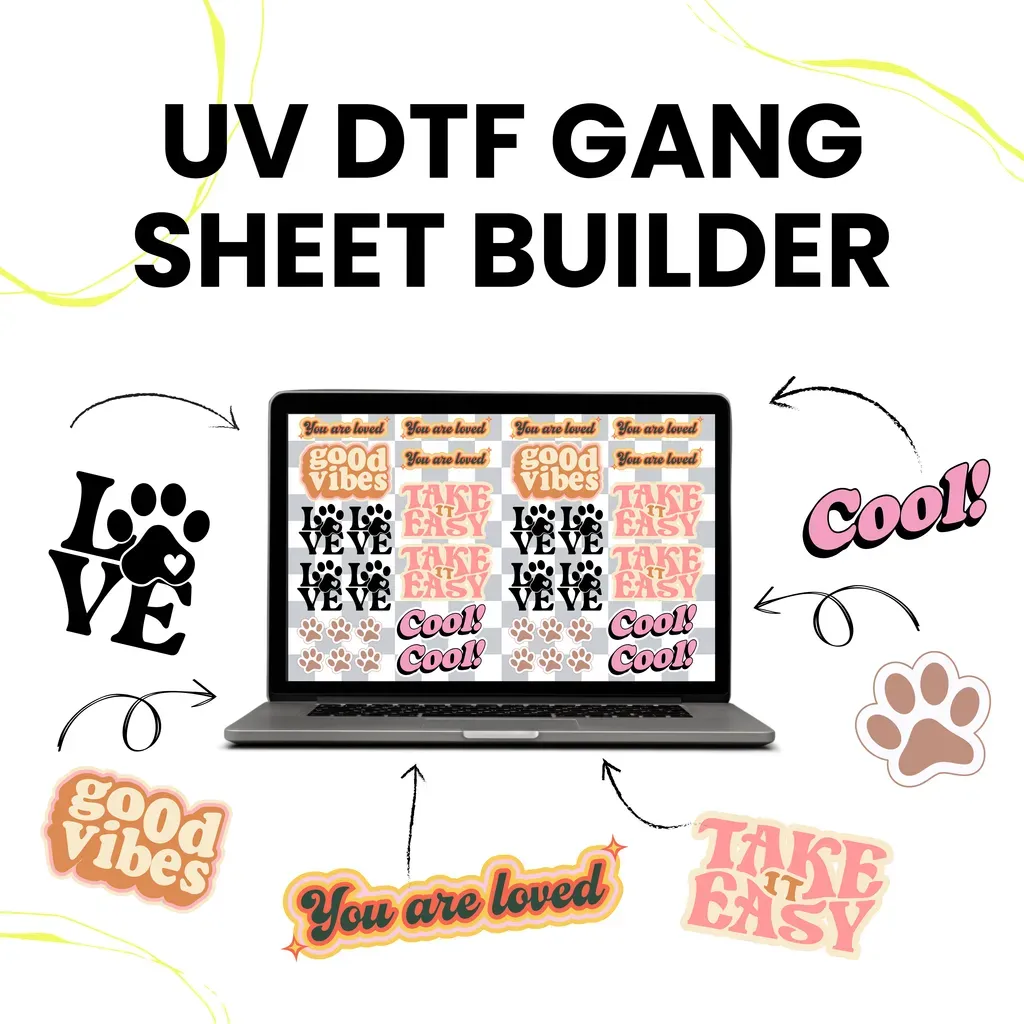
UV DTF Gangsheet Builder opens new possibilities for designing custom apparel, signage, and promotional items with UV-cured transfer technology. As a central tool for arranging multiple designs on a single print sheet, it supports efficient output and consistent color management. If you’re starting out, explore resources like the UV DTF gangsheet, the beginners guide to DTF gangsheet, or how to create a UV DTF gangsheet through a DTF gangsheet builder tutorial to learn the workflow. Understanding grid setup, bleed, margins, and color targets in one cohesive workflow helps reduce waste and trial prints. With regular practice, this workflow becomes a reliable backbone for fast, high-quality UV printing projects.
Think of it as a multi-design layout that consolidates graphics onto one substrate for efficient UV transfers. A grid-based canvas guides placement, margins, and color consistency across designs, a concept you’ll find described in a UV DTF printing guide. For beginners, mastering spacing, bleed, and file readiness within this framework makes the workflow approachable and scalable. Practically, it enables batching logos, artwork, and text to minimize waste while delivering professional, repeatable results.
1. What is the UV DTF Gangsheet Builder and why beginners need it
The UV DTF Gangsheet Builder is a specialized workflow that lets you arrange multiple designs on a single print sheet for UV DTF printing. By creating a grid-based layout, it guides alignment, margins, bleed, and color management, helping you maximize space and minimize waste. This tool is especially valuable for beginners who are still learning how designs interact on a shared sheet and how different elements affect overall print quality.
Using the UV DTF Gangsheet Builder also supports faster learning and fewer dead-ends. As you explore concepts like spacing, bleed, and safe margins, you’ll see how a well-planned gangsheet translates into cleaner prints and reduced material costs. For those seeking practical starting points, resources like a DTF gangsheet builder tutorial can provide hands-on steps that align with the ideas outlined in this beginner-friendly approach.
2. How to create a UV DTF gangsheet: a practical, step-by-step process
How to create a UV DTF gangsheet begins with a clear plan. Start by defining your sheet size (for example, A4 or 12×18 inches) and setting up a grid that fits the number of designs you intend to print. Determine the gaps between designs and the bleed area to ensure full-bleed results once trimming is complete.
Next, prepare your assets and place them on the grid. Import each design, align with snap guides, and maintain consistent spacing. Add bleed and crop marks as needed, adjust color settings, and perform a quick on-screen proof to catch obvious issues before printing. Export the final gangsheet in a printer-ready format to move smoothly into the UV DTF printing stage.
3. Design fundamentals for UV DTF: grid, bleed, spacing, and color management
A solid UV DTF design process centers on a well-planned grid, proper margins, and adequate bleed. These elements prevent white edges and ensure your designs stay aligned across diverse products. Understanding how the grid interacts with different designs helps you optimize layout efficiency and reduces post-print adjustments.
Color management is another critical pillar. Use a consistent color profile across all assets and perform color checks or soft proofs to verify fidelity. By treating color as a shared resource across the gangsheet, you minimize shifts between designs and keep outputs cohesive, which is especially important for a beginners guide to DTF gangsheet workflows.
4. Working with assets: templates, vectors, and color profiles in DTF gangsheet workflows
Asset preparation is the backbone of a clean UV DTF gangsheet. Aim for high-resolution images (300 DPI or higher) and use lossless formats for raster elements. Vector assets (SVG, AI, EPS) scale without pixelation and are ideal for logos and typography when possible. Keeping a consistent color profile across all assets reduces surprises at print time.
Using templates and established color profiles can save time and improve consistency. Save layout templates for repeat projects, and keep a library of assets organized by design size and color reference. A practical DTF gangsheet builder tutorial can help you translate these practices into repeatable, error-minimizing workflows.
5. Proofing and final export: ensuring print-ready UV DTF gang sheets
Proofing, including soft proofing, is essential before a full print run. On-screen previews let you check alignment, color fidelity, bleed coverage, and safe margins. If something looks off, adjust the grid, spacing, or design sizes and reproof until the sheet looks balanced.
Export is the final step before printing. Choose formats compatible with your UV DTF printer (often TIFF or PNG with the correct color profile) and include any color management data required by your workflow. Proper export settings help ensure a smooth transition from digital gangsheet to cured, durable prints.
6. From rookie to pro: a beginner-friendly path to mastering the UV DTF Gangsheet Builder
Starting with the UV DTF Gangsheet Builder sets you on a clear path from beginner to more confident operator. Practice with small gang sheets containing 3–6 designs, then gradually scale up as you gain experience. A steady routine—planning, asset prep, grid setup, proofing, and exporting—builds muscle memory and speeds future projects.
Over time, save templates, standardize color references, and maintain a library of reusable assets. With continued practice and attention to alignment and color consistency, you’ll develop a repeatable, professional workflow that underpins your UV DTF printing guide and helps you deliver high-quality results for apparel, signage, or promotional items.
Frequently Asked Questions
What is the UV DTF Gangsheet Builder and why is it valuable for beginners?
The UV DTF Gangsheet Builder is a dedicated workflow that lets you arrange multiple designs on a single print sheet for UV DTF transfers. It helps you learn grid layouts, spacing, bleed, and color management, reducing waste and speeding up production. It’s a core tool in the UV DTF gangsheet process and a key part of the beginners guide to DTF gangsheet.
How to create a UV DTF gangsheet using the UV DTF Gangsheet Builder?
To create a UV DTF gangsheet, define your sheet size and grid, import assets at high resolution, place designs with consistent alignment and margins, add bleed and crop marks, verify color management, and then export a print-ready file. This step-by-step approach aligns with how to create a UV DTF gangsheet and is central to the UV DTF gangsheet workflow.
What role does the UV DTF printing guide play in gangsheet creation?
The UV DTF printing guide emphasizes color management, printer settings, and substrate considerations when building a gangsheet. Use a fixed color profile, calibrate colors, and ensure all assets share the same color space to maintain color fidelity across designs printed on one sheet.
How many designs should beginners start with in a UV DTF gangsheet?
Start with 3–6 designs per gangsheet. This range keeps the layout manageable for a beginner and provides a clear sense of spacing, bleed, and alignment before expanding to larger gang sheets in your learning journey (beginners guide to DTF gangsheet).
What are common challenges with the UV DTF gangsheet builder and how can you fix them?
Common issues include misalignment, color shifts, bleed gaps, pixelation, and uneven ink deposition. Fixes include tightening grid alignment and snap guides, using a single color profile with color targets, increasing bleed margins, ensuring assets are 300 DPI or higher, and calibrating printer settings and curing times.
What tips help ensure a successful UV DTF gangsheet build?
Begin with 2–4 designs to learn the workflow, favor vector assets when possible, save templates for consistency, and calibrate colors regularly. Maintain a project checklist for grid, bleed, trim, and export settings, and refer to the UV DTF printing guide to refine your process.
| Aspect | Key Points |
|---|---|
| What is UV DTF Gangsheet Builder? | A tool or workflow that creates a grid-based layout on a single print sheet to place multiple designs (a gangsheet). It enhances alignment, spacing, bleed, and color management for UV DTF printing, reducing waste and speeding up production. |
| Why it matters for beginners | Helps beginners learn how to optimize spacing, margins, and bleed; minimizes trial-and-error, saving time and money; ensures consistent color management across designs on one sheet. |
| Core concepts |
|
| Getting started prerequisites |
|
| Step-by-step workflow (high-level) |
|
| Common challenges and fixes |
|
| Tips for success |
|
| Beginner-friendly path | Practice builds confidence. Start with small gang sheets, document effective settings, and gradually expand to larger, more complex layouts to master spacing, color management, and finishing for UV DTF printing. |
Summary
UV DTF Gangsheet Builder is a powerful ally for beginners learning UV DTF printing. By planning your sheet size, grid, and bleed, preparing assets properly, and following a structured workflow, you’ll achieve efficient, high-quality gang sheets. This approach minimizes waste, reduces trial-and-error, and speeds up the path from concept to finished product. Remember, consistency in color management, alignment, and finishing will set your work apart. With practice, you’ll move from a beginner-friendly setup to a repeatable, professional process that supports your growing DTF business or hobby project. If you’re ready to take your first steps, start with a small gangsheet, keep notes on what works, and gradually expand as you gain confidence. The UV DTF Gangsheet Builder is here to help you optimize your designs, save time, and deliver print-ready results that look great on any UV-cured substrate.